For as long as I can remember I have always loved school. My first exposure to philosophy was senior year in Mrs. Shephard’s AP World Literature class. As a senior, I could pick a writer to read and report back on while doing my internship with Senator Santorum’s office in Philly, and I picked Nietzsche. Reading Nietzsche shook my world; he was playful, profound, norm-shattering, and infuriating, and I was totally hooked. I started Penn State planning on a double major of philosophy and something more “practical”. I cycled through biology, pre-med, pre-law, and business, before finding what felt like the perfect fit for me and philosophy in English. My undergraduate honors thesis was on Heidegger and King Lear.
For graduate school I applied to a number of English and philosophy doctoral programs. I got into all of the philosophy programs and none of the English ones, which seemed like a sign. At the time I started philosophy at University of Chicago, there were only two women faculty members, Martha Nussbaum and Candace Vogler. As soon as I met Candace, I knew I had to work with her. I’ve heard other philosophers compliment her by saying her mind runs on different tracks, and that still seems to me the right way to capture what I found most valuable from learning philosophy from and with her.
In my second-year, Gabriel Richardson Lear, who had just been hired, taught a twenty-week seminar on the Nicomachean Ethics. I had avoided ethics as an undergrad, viewing ethics as a self-aggrandizing exercise in telling people what to do. The idea that ethics could instead be a systematic investigation into how one should live was mind-blowing. By the end of that seminar, I knew my dissertation would be on the role of pleasure in Aristotle’s practical philosophy. Gabriel also gave me what I think is still the best advice I have ever received: Let other people tell you ‘no’. In other words, don’t supply the ‘no’ yourself. If there is something you want, even if you are not sure you are the right fit, ask, and see what happens. I have tried hard to take this advice to heart.
Having mentioned Candace and Gabriel, I want to say a few words about my other committee member, Jonathan Lear. Jonathan was an amazing philosopher. I have never known someone better able to bring out the significance of everyday interactions, the meaning revealed through a few choice words. While Chicago philosophy is known for following Wittgenstein and his view of philosophy as therapy, I really saw what this meant in practice through Jonathan. He was a practicing psychoanalyst, an amazing reader of Aristotle and Plato, an impressively energetic thinker, and all-around awesome human being. From Jonathan, I learned so much about pedagogy, about how to lead the soul.
There was this puzzle, though. In all sorts of ways, I was seeing how important pleasure was for Aristotle’s ethical system. But, from the little bit of Kant I had been exposed to as an undergrad, I was pretty sure he was anti-pleasure. I started reading Kant more carefully, and after Aristotle, it was a revelation. What I found was someone trying to refigure Aristotle’s metaphysical idea of activity in theorizing how pleasure works, even while holding the famous, oft-misunderstood Kantian line that pleasure could not be the determinative motivation for morally good action.
In 2011, I was hired by Utah State University. I loved working at Utah State. The role of the LDS church in shaping everyday life was unlike anything I had ever experienced, and I learned a lot about teaching in this unfamiliar cultural context. I found Utah to be a great place to teach ethics. The students were so thirsty for conversation about how to live a good life. Over and over, I found students who were eager to be trusted to think for themselves and who proved themselves more than capable of excellent philosophical work.
I thought I had everything set, but all that changed during Winter break of 2018/19. I was told by the philosophy section head, Charlie Huenemann, that my Dean, Joe Ward, had reservations about my tenure application. I would later learn that he had recommended against tenure, that the Provost’s committee overruled him, but that the President decided to deny me tenure. To justify his decision, the Dean misrepresented my research record, refusing to count papers that were completed and accepted but not yet in print (at the time of submission of my tenure binder) as part of my research record. He would later testify that “while there was no disputing the quality of my research, the problem was the quantity”, a quantitative problem he manufactured. I filed a grievance, but the wheels of justice turn slowly. I was doing job interviews, but then Covid struck and everything shut down. My grievance hearing was pushed back until May. A Utah State faculty committee reviewed the administration’s handling of my tenure application and determined unanimously that my research record had been misrepresented. [If you are interested in details of my wrongful termination, you can review the Utah State’s review committee’s findings here.] However, the President had full authority to do as she pleased with this finding. After sitting on the grievance committee’s finding for weeks, on June 5th, 2020, I was told I was fired, and that as of June 30th, I would be locked out of my Utah State accounts.
Being denied tenure is trauma, no matter how it happens. I fell into depression. I couldn’t understand how someone could be so casually cruel as to destroy my life’s dreams and work over nothing. But there is something to the adage that when life closes a door, it opens a window. That Spring, I had won a fellowship to the University of Connecticut’s Humanities Institute to write a book about Aristotle and the pleasures of anger. So, for academic year 2020/21, I participated virtually with the other fellows. We had a writing group that restored me, somewhat. This was my first experience of being able to write and think without having to teach, and I loved it. I felt confident I could get a job in philosophy teaching, but I wanted a job where I could do research. In my mind, being pushed out of research was Utah State winning. So I applied to Ph.D. programs in psychology. This seemed to me the way to keep thinking about what I wanted to think about, but safer, more prudent. It certainly felt like a Hail Mary, but luckily, Ken Sheldon took a gamble on me.
My second go-round as a doctoral student has been both easier and harder than the first. It was slow-going at first, learning a new disciplinary language and trying to figure out how to translate various philosophical questions into psychological studies. For example, that first semester, at the initial meeting of TA’s for Research Methods (each of us would lead a lab section every Friday), the professor asked whether we used R or SPSS, and I had no idea what was being asked. But in many ways, I feel more capable and confident now, and I have a research project, which is much of the struggle of graduate school. My fellow graduate students have been amazing — one blessing of graduate school is lifelong friendships. When Ken retired, I started working with Laura King, and that also was healing. Laura is an incredible mentor, someone who helps you become a better version of yourself, as a thinker but also as a person. Laura has the enviable talent of telling you a story that helps you see a conceptual point more clearly, and then, as you keep turning the story over again later, you keep finding more and more. Once Keely Dugan was hired, I started working with her too, and have really benefitted from her expertise in personality psychology and attachment, and her willingness to talk and think about all sorts of things with me.
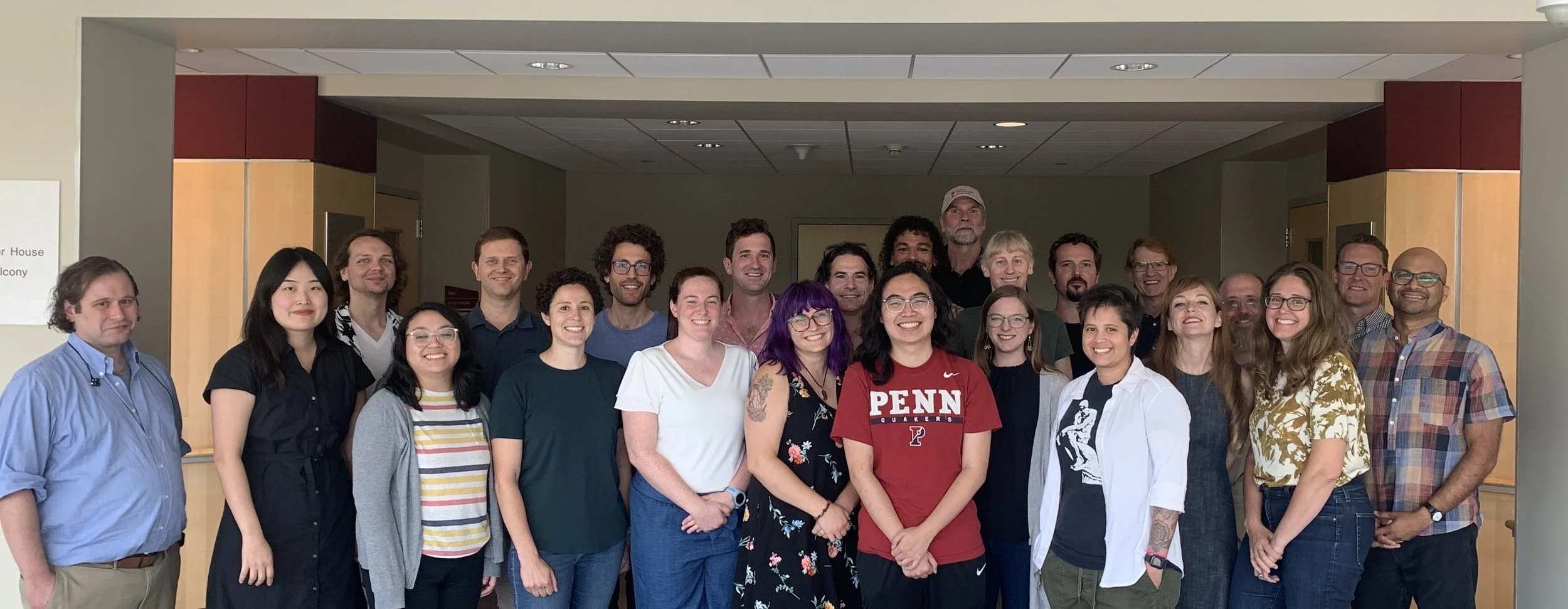
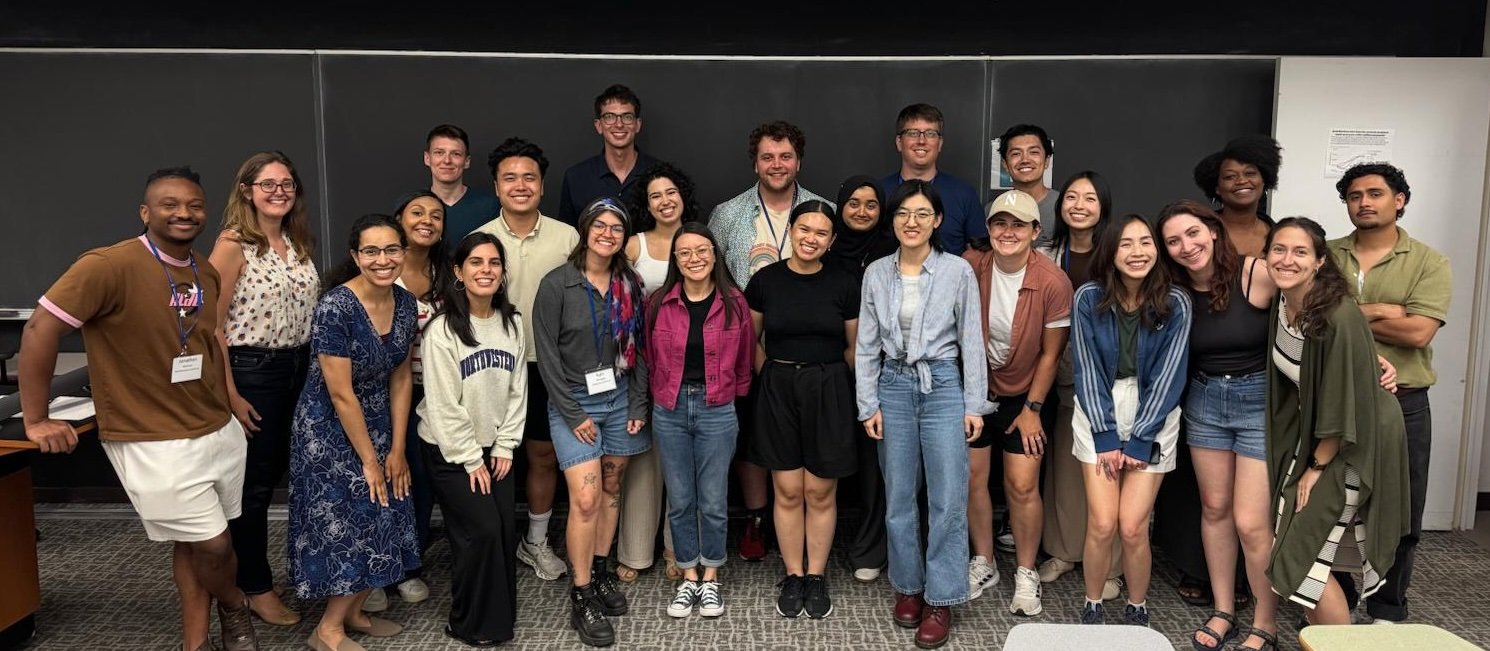
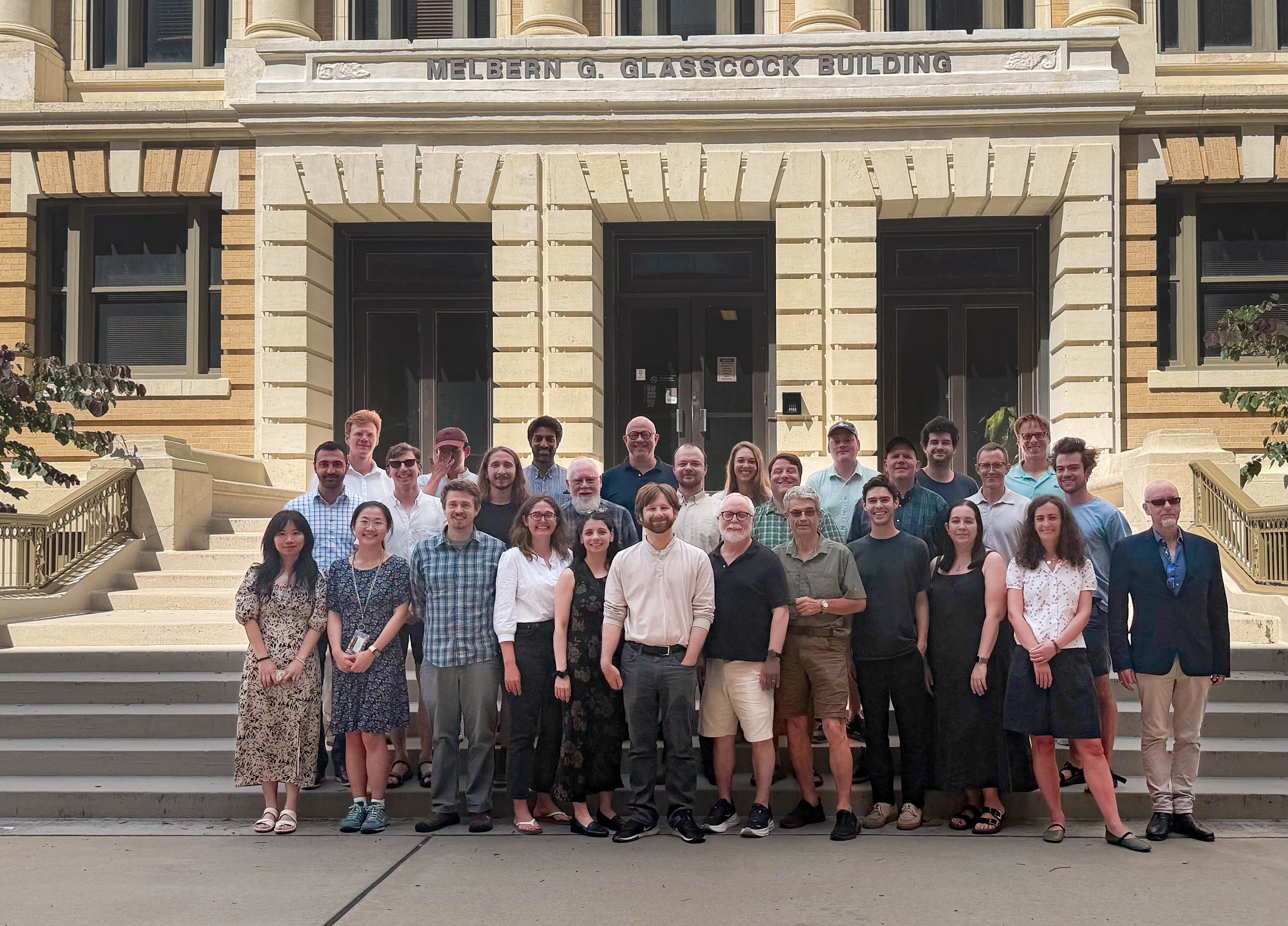
One other gift graduate school has given me, helping me feel like a whole person again, has been my experience doing summer camps. For the last three summers, I have gotten to do amazing learning experiences that have been so fun and so enriching. In Summer 2024, I did NEH Moral Psychology summer camp. My teachers, Laura Niemi, Shaun Nichols, and John Doris, all really helped me figure out how to push my research forward. In Summer 2025, I did SISPP with Thekla Morgenroth and Mark Brandt. Thekla and Mark were incredible resources for thinking about how to handle politically hot topics and also how to do innovative psychological research. Then, in Summer 2026, I did NEH Aristotle’s Psychology summer camp. I relished the opportunity to read Aristotle closely and carefully again with brilliant philosophers. I am deeply grateful to José Luis Bermudez and Victor Caston for bringing together these scholars and for making me feel like a valued contributor to the conversation.
I love thinking and talking about how we become good people, how this can go awry, and how this matters for personal happiness, at all stages in the lifespan. My academic journey is a story of perseverance, creativity, and my deep love and drive to learn and think with others.